 |
History History The Kankakee River Valley is known for both the splendor and tranquil beauty of the Historic Kankakee River. Winding its way through Kankakee County, it passes through many of our small and large communities. This section provides both historical and current information about the Kankakee River and also provides historical and current information about many of the towns, cities and key people who have played a part in the historical past of Kankakee County.
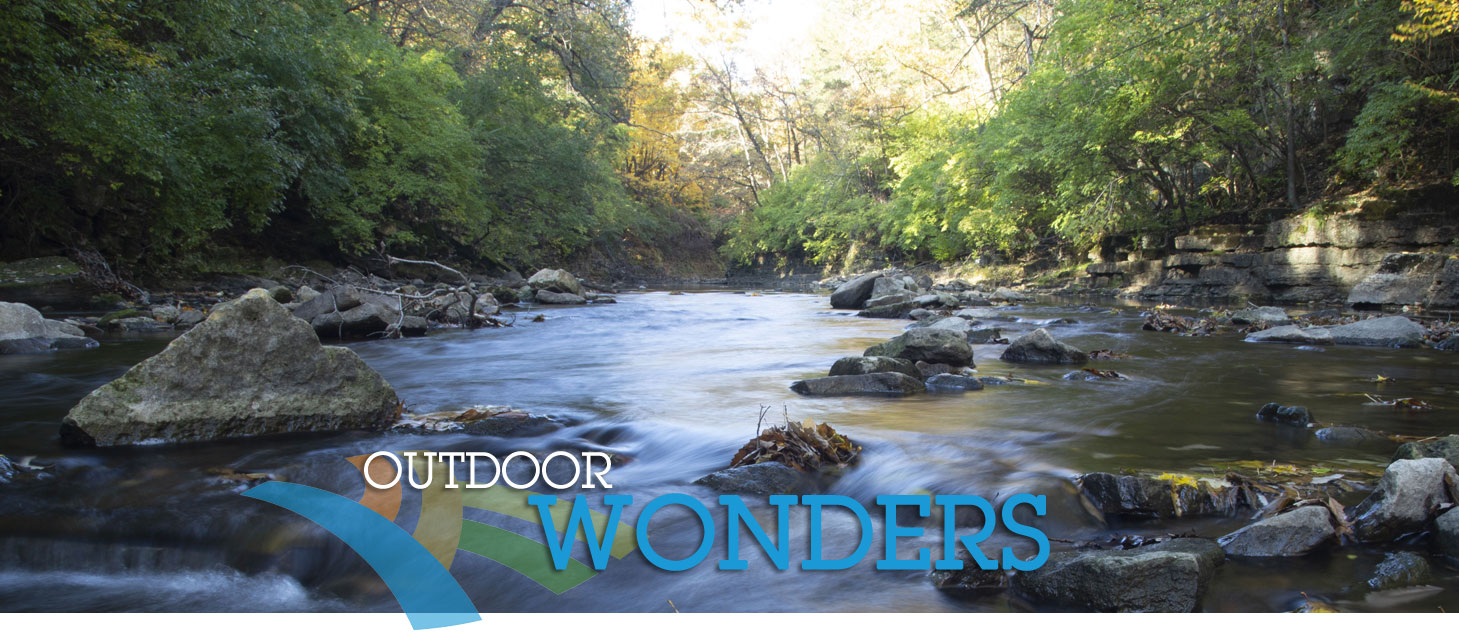
The Kankakee River runs 57 miles through Kankakee County and is one of our most precious resources. Water sports, excellent fishing and a beautiful State Park are available for all to enjoy. But, there is a special history about why the Kankakee River played such an important part of our heritage and what Kankakee County is today...
The Potawatomi Indians lived in the area called the Kankakee River, once thought to be the upper Illinois River, the Theatiki. Through variations in the pronunciation of Theatiki, Kankakee evolved. Some of the meanings of Theatiki are Wolf, Swampy Place and Wonderful Land. The Kankakee River Valley's beautiful land and rich natural resources are a result of debris and minerals left by three massive glaciers that came down from Canada thousands of years ago; thus, accounting for the beautiful area that tourists, relocators and community members now enjoy.
"An African American Rodeo" a neglected area of African American history and culture remains a mystery to many American children and adults - African Americans in the American West. In the building of the American West, African American men and women played many roles.
Thyrl Latting Rodeo Spectacular performs the week-end before Memorial Day week-end, in Pembroke, IL., a historical African American Community located in Kankakee County.
During the month of August, the second weekend is the Marcus Garvey festival, and the last weekend in August the township celebrates Pembroke Days with parades, entertainment and Gospel, Jazz and Blues Concerts.
The settlement named Pembroke is not shown in the 1883 Kankakee Atlas although people were living in the area before the Civil War. African Americans, the Tetter and Morgan families from Maryland and Virginia settled near Pembroke in the 1850s. Today, the area once incorporated as the village of "Pembroke" is within the new village of Hopkins Park.
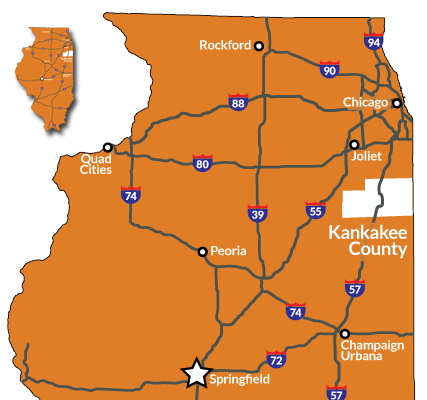
Located on the Kankakee River, Sun River Terrace is a relatively new community. It is north of Route 17, 6 miles north of St. Anne, 6 miles West of Momence. Sun River Terrace was incorporated in 1980 through the efforts of Casey Wade Jr. and Henry Nicholes Sr.
One of the most historical facts is that in 1948 after Joe Lewis' boxing match with Jersey Joe Walcott, he and the National Boxing Association established his boxing training camp at the Sunset Hills Golf Club in Sun River Terrace. The place where Joe Lewis resided during his camp days still stands and is a valuable landmark.
Kankakee County was considered the perfect place to live by the Pottawatomi Indians long before the ever-increasing westward migration of the white settlers replaced them. Here was a rolling landscape, with a beautiful river thickly bordered with groves of oak, hickory, maple, cedar and black walnut. With the land in places sloping gently to the water's edge and in others rising in sheer limestone bluffs many feet above the river, and the abundant wildlife that inhabited the area, no more beautiful or varied scenery could be found in the Middle West than in Kankakee County.
Settlers came to Kankakee County in 1834, after the federal government signed the treaty of Camp Tippecanoe in 1832. As word spread about the government acquiring the land, many immigrants of New York and Vermont moved their way west, mostly locating in Momence, IL. An act of the Illinois Legislature created Kankakee County out of the north part of Iroquois County and the south part of Will County on February 11, 1853. The six original townships were: Yellowhead, Rockville, Bourbonnais, Momence, Aroma and Limestone. The population of the new county was about 8,000. It wasn't until 1855 that the two western townships of Norton and Essex were taken from Vermilion County and added to Kankakee County.
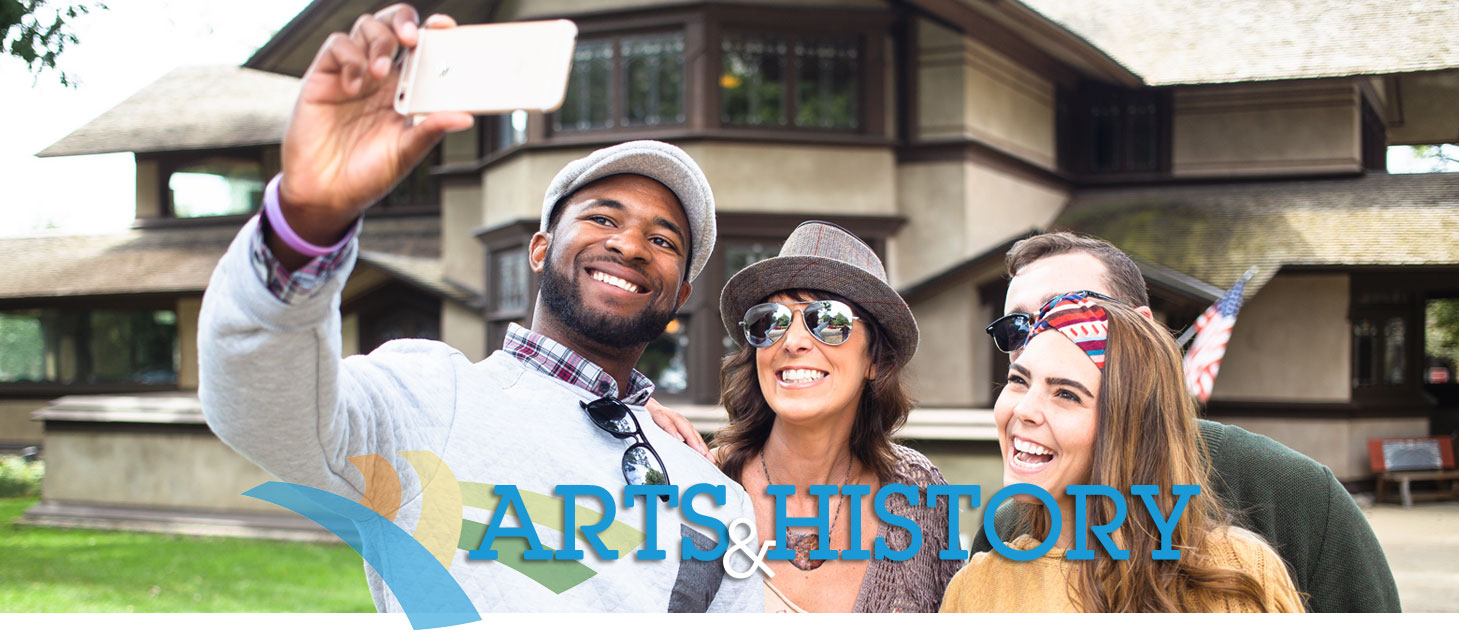
In the mid 1800s David Bradley started the Bradley Plow Works, later called the Bradley Factory. He manufactured farm implements and is known for the Bradley Plan. In early 1900's, David Bradley's grandson-B. Harley Bradley, built a home designed by the famous architect Frank Lloyd Wright. In 1891, North Kankakee was incorporated and named Bradley.
The City of Kankakee grew in the shadow of Bourbonnais, a French settlement nearby. Kankakee nonetheless became the eventual seat of government for Kankakee County, and in 1855 became the site of a depot on the Illinois Central Railroad. By 1900 its population had grown to about 13,500. Kankakee County's population is currently 105,290 and growing.
Three Illinois governors (Len Small, Samuel Shapiro and George Ryan) are from Kankakee.
The Kankakee River runs 57 miles through Kankakee County and is a clean river, great for landing Small Mouth Bass, Channel Catfish, Walleye and Northern Pike. 12 boat launches, 8 campgrounds and 18 riverfront parks are only a small part of the fun on the Kankakee River.
"Sherb's" was the name of a small ice cream store that opened on South West Avenue, in Kankakee, IL, August 4, 1938. A sign appeared in the window that said: "All you can eat for 10¢!" This was an extraordinary offer during the country's Great Depression.
The proprietor of the store, 30-year-old Sherwood Dick "Sherb" Noble, a native of Clemens, IA, had been associated with dairy products from his teenage years. What his customers were offered that day in Kankakee for 10¢ was a new semi-frozen, "soft-serve" dairy product formulated by a recent acquaintance and new business partner, J. F. McCullough.
At the end of the day, little did any of Sherbs customers know they had made history. Their enthusiastic acceptance of McCulloughs soft-serve dairy "dessert" (1,600 were bought) would launch a multi-million dollar business. Sherb soon opened the first store named "Dairy Queen" (a name suggested by McCullough) in Joliet, Illinois.
In time, Dairy Queen became internationally known and more than 5,000 Dairy Queens opened in the United States, Canada and 14 other countries. The Dairy Queen companies and franchises recognized Sherb Noble as the "original Dairy Queen operator."
Sherb remained active in the Kankakee community until his death in March 1991, at 82. He had been one of the earliest sponsors of Little League baseball and received an award in 1973 from the Kankakee Veterans of Foreign Wars for his community service and support of youth activities. The Kankakee Chamber of Commerce honored Sherb Noble as Businessman of the Year in 1990.
|
 |